By Chido Nwakanma
The Nigerian media space was jolted into action last week by an aggressive and deeply troubling pre-litigation letter from a Senior Advocate of Nigeria representing Mr Jimoh Ibrahim. The letter targets The Punch newspaper and its esteemed columnist, Mr Sonala Olumhense, with a staggering N50 billion defamation claim.
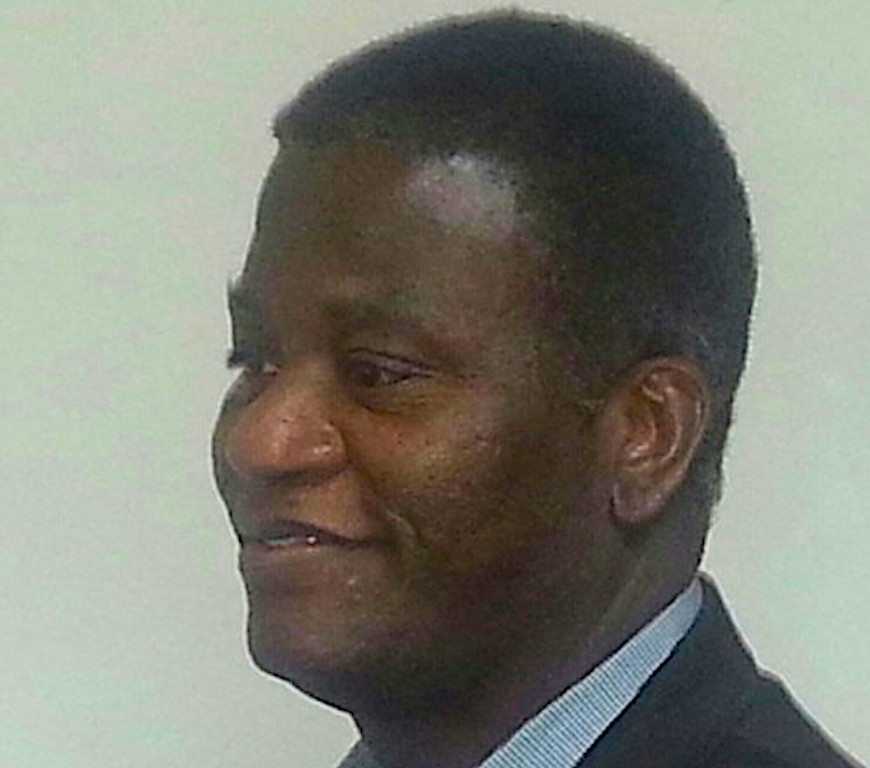
Dated March 16, 2026, the letter demands an immediate cease-and-desist regarding an article published just a day earlier, on March 15, 2026. The timing and language of the demand suggest an intent not merely to challenge the article, but to intimidate any other platform from republishing it – a chilling signal to the wider media ecosystem.
The article in question, Olumhense’s “Jimoh Ibrahim, in broad daylight,” resonated deeply with the public. It was widely shared and republished for its sharp critique of Mr. Ibrahim’s suitability for high office -particularly, his recently announced appointment as Nigeria’s Permanent Representative to the United Nations.
A SLAPP in All but Name
The legal letter alleges libel, claiming the column maliciously portrayed Senator Ibrahim—a businessman and politician—as “an embarrassment, a failure” whose career is marked by “financial disputes, asset issues, indebtedness, investigations, forgery, tax allegations, embezzlement, money laundering and massive debt recovery proceedings.” In the words of the letter.
The demands are threefold:
1. Immediate retraction of the alleged libellous statements.
2. An unconditional apology to be published in The Punch and two other national newspapers within seven days.
3. N50 billion in compensation.
It ends with a threat of a defamation lawsuit if these demands are not fulfilled. A partial counter-narrative is presented, focusing narrowly on Mr. Ibrahim’s long-standing litigation with Union Bank and the Asset Management Corporation of Nigeria (AMCON), claiming a complete victory in July 2025.
This is a textbook example of a Strategic Lawsuit Against Public Participation (SLAPP). It is a high-stakes legal threat aimed not at righting a wrong but at intimidating a media outlet and a journalist into self-censorship for criticising a public figure’s suitability for a role of great national significance.
A History of Resilience
In The Punch and Sonala Olumhense, however, the claimants face targets with a proven record of resisting media intimidation. This is not the first time this duo has faced a high-profile defamation suit over a column.
In 2019, former President Olusegun Obasanjo filed a ₦1 billion lawsuit against The Punch and Mr. Olumhense. That case was dismissed by an FCT High Court in October 2023, with the court awarding ₦4 million in costs against the former president. This history highlights their resilience and the legal vulnerability of SLAPP suits brought by public figures.
The Anatomy of a SLAPP
The pre-litigation letter is professionally drafted, but its nature displays the typical features of a SLAPP:
1. An Astronomical and Punitive Damages Claim
The demand for N50 billion is wildly disproportionate. Even in Nigeria’s most high-profile libel cases involving politicians or businessmen, final awards rarely reach a fraction of this sum – and are often significantly reduced on appeal. Such an exorbitant figure is not meant to compensate for actual harm; it is a calculated sum designed to threaten a media organisation into silence.
2. Evasion of Specific Context
The letter summarises the article’s main point but notably omits quoting the exact passages it considers libellous. This is a significant oversight. Olumhense’s piece is an opinion column based on matters of public interest – the country’s international reputation and the vetting of a key diplomatic appointee. It relies heavily on verifiable public records, including court filings, Senate committee reports, AMCON statements, and tax-related charges. By not including exact quotes, the claimant’s letter unintentionally strengthens the defence’s case to argue “fair comment” and “honest opinion” on a matter of public concern.
3. A Selective and Contestable Counter-Narrative
The legal challenge mainly focuses on the Union Bank/AMCON litigation, claiming it was resolved in Mr. Ibrahim’s favour. However, it does not directly address the other specific, documented allegations in the column, including:
* Unpaid workers’ entitlements at Nicon since 2007.
* The alleged diversion of a N35.5 billion government loan by Air Nigeria.
* The pending FIRS criminal charge against NICON Insurance for alleged tax forgery.
* The EFCC’s 2012 interrogation of Mr Ibrahim.
* AMCON’s 2020 public seizure of 12 properties over a N69.4 billion debt.
Even if some issues were later resolved, the historical records documented in Senate resolutions, charge sheets, and court judgements – remains a matter of public record and legitimate commentary at the time of the article’s publication.
Defending the Public Record
Nigerian defamation law provides robust defences against such suits, including truth, fair comment, and justification. Mr Olumhense’s article is built on these pillars:
* Public Records: The piece draws from AMCON’s public seizure orders, a pending FIRS criminal charge against Mr Ibrahim personally for alleged unpaid taxes and forged certificates, decisions of the National Industrial Court on unpaid wages, and a Senate committee report on loan diversion.
* Fair Comment: As an opinion piece discussing the appropriateness of a public appointee – a matter of clear public concern – it is protected under the doctrine of fair comment. Published by a respected national newspaper without any evidence of malice, it qualifies for qualified privilege.
It is also worth noting that the claimant’s central assertion of a “N449 billion judgment” is absent from any verifiable public record or case file matching the description provided. The nearest known judgment, a July 2025 Lagos State High Court ruling in a case involving NICON Investment Limited and Union Bank, has been publicly challenged by Union Bank, which stated it would appeal the decision.
The Growing Menace of SLAPPs in Nigeria
SLAPPs represent a growing and grave threat to media freedom and democratic accountability in Nigeria. They are legal actions weaponised to suppress freedom of expression, primarily targeting journalists, activists, and civil society. By imposing crippling legal costs, threats of criminal prosecution, and prolonged litigation, they aim to create a chilling effect that silences critical reporting on issues of public interest.
These suits are filed by both state and non-state actors, including security agencies (often using the Cybercrime Act), politically exposed persons, and private individuals. Notable recent SLAPP cases include:
* The DSS is suing SERAP over a statement criticising corruption.
* The federal government’s cybercrime charges against Omoyele Sowore over social media posts.
* The detention of investigative journalist Fejiro Olu on related charges.
* The Niger State Governor’s threat to revoke a radio station’s license and demolish its premises.
Conclusion
The legal threat against The Punch and Sonala Olumhense fits squarely within this disturbing pattern. It is not a genuine quest for redress but a calculated attempt to bully a media house and one of its most respected columnists into silence.
Given the public record, the strength of the fair comment defence, and the publisher’s own history of successfully resisting such intimidation, this SLAPP should be seen for what it is: an effort to stifle legitimate public discourse. The Nigerian media and civil society must stand firm, resisting such tactics that threaten to erode the very foundations of our democracy.
Mr Nwakanma is an editor at BusinessDay and a Sonala Olumhense mentee.