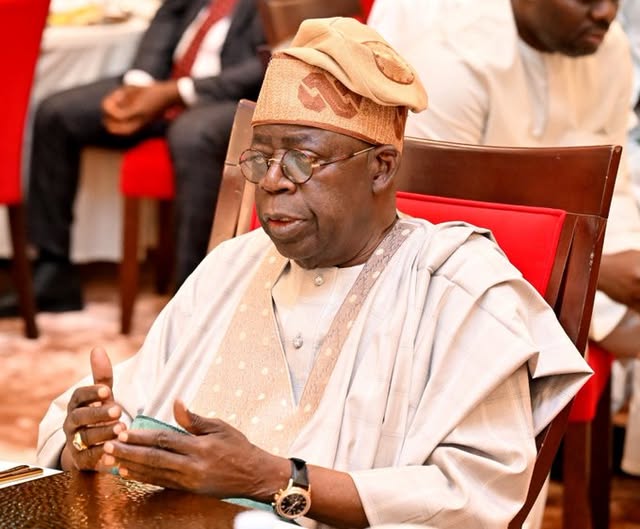
President Bola Ahmed Tinubu has assured Nigerians that his administration will intensify efforts toward inclusive development as a pathway to strengthening national unity, even as he called for prayers for peace and prosperity during the Eid al-Fitr celebrations.
In a message marking the end of Ramadan, the President underscored the importance of spiritual reflection, renewal, sacrifice, and devotion, describing the season as a critical moment for collective introspection and recommitment to national ideals.
The message, conveyed in a statement by his Special Adviser on Information and Strategy, Bayo Onanuga, highlighted the administration’s resolve to pursue policies that ensure no segment of society is left behind.
Tinubu urged Muslim faithful to use the occasion not only for celebration but also as an opportunity to offer sincere prayers for the country’s stability and growth. He emphasized that the values cultivated during Ramadan—discipline, compassion, and selflessness—should guide citizens in their daily lives and interactions.
At a time he described as critical for the nation, the President specifically appealed to Islamic clerics and religious leaders to continue to intercede for Nigeria, noting that spiritual support remains vital in navigating the country’s challenges.
Echoing similar sentiments, Senate President Godswill Akpabio, Speaker of the House of Representatives Tajudeen Abbas, Senate Leader Opeyemi Bamidele, and Deputy Speaker Benjamin Kalu all called for renewed commitment to unity, understanding, and peaceful coexistence among Nigerians.
In their separate messages, the National Assembly leaders stressed that the spirit of Eid-el-Fitr should inspire citizens to rise above divisions and work collectively toward national development. They noted that unity remains the cornerstone for addressing the country’s socio-economic and security challenges.
Analysts observe that the convergence of messages from both the executive and legislative arms reflects a coordinated appeal for cohesion at a time when Nigeria continues to pursue reforms and navigate complex national issues.
For many Nigerians, the Eid celebration this year carries not just spiritual significance but also a renewed call for solidarity. Leaders across the political spectrum appear aligned in emphasizing that progress can only be achieved through shared responsibility and mutual respect.
As Muslims across the country mark the end of Ramadan, the President’s assurance of inclusive development—and the broader calls for unity—signal a continued push toward building a more cohesive and resilient nation, grounded in both policy action and collective goodwill.