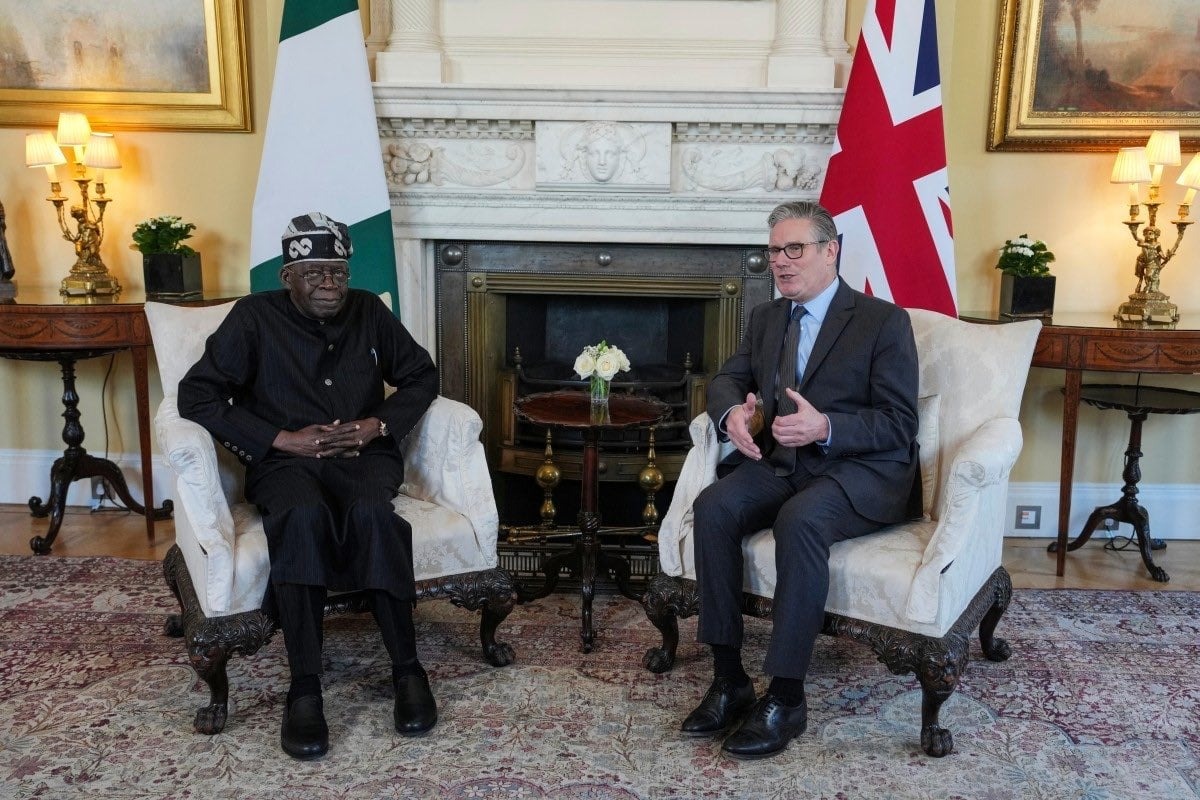
Nigeria and the United Kingdom have taken a decisive step toward strengthening bilateral relations, sealing a raft of landmark agreements spanning migration, border security, trade, infrastructure, and business mobility in what officials describe as a renewed era of strategic cooperation.
The agreements, reached during high-level engagements between both countries, reflect a coordinated effort to deepen economic ties while addressing shared challenges around migration management and cross-border security.
At the heart of the new framework are three key Memoranda of Understanding (MoUs) and Statements of Intent. These cover a comprehensive Migration Partnership, enhanced Cooperation on Organised Immigration Crime and Border Security, and the Expansion of Business Visa access for UK companies operating in Nigeria. Together, the measures are designed to streamline legitimate movement, curb illegal migration networks, and create a more enabling environment for investors and professionals.
Diplomatic sources say the migration-focused agreements aim to strike a balance between facilitating lawful travel and strengthening enforcement mechanisms against transnational criminal activities. The partnership is also expected to improve intelligence sharing, operational coordination, and institutional capacity in tackling organised immigration crime.
Beyond security and migration, economic cooperation featured prominently in the discussions. Both countries reaffirmed their commitment to boosting trade volumes, encouraging foreign direct investment, and fostering a more predictable and business-friendly climate.
A major highlight of the engagements was the signing of a £746 million infrastructure agreement at Lancaster House for the modernisation of Apapa Port and Tin Can Island Port in Lagos. The ports, which serve as critical gateways for Nigeria’s international trade, have long faced challenges related to congestion, ageing infrastructure, and operational inefficiencies.
The upgrade project is expected to significantly improve cargo handling capacity, reduce turnaround time for vessels, and enhance overall logistics efficiency. Analysts note that modernising these ports could have far-reaching effects on Nigeria’s economy by lowering the cost of doing business and strengthening the country’s position as a regional trade hub.
The agreement also signals growing investor confidence in Nigeria’s infrastructure sector, with both governments expressing optimism that the project will unlock new economic opportunities and support long-term growth.
In addition, the expansion of business visa arrangements is seen as a practical step toward easing commercial interactions between the two countries. By simplifying access for UK-based firms working with Nigerian partners, the initiative is expected to accelerate project implementation, encourage knowledge transfer, and deepen private sector collaboration.
Officials on both sides have described the outcome of the engagements as mutually beneficial, emphasizing that the agreements are rooted in shared interests and a commitment to sustainable development.
Observers believe the breadth of the deals—cutting across security, migration, and economic development—demonstrates a holistic approach to bilateral relations, moving beyond traditional diplomacy into actionable partnerships with measurable impact.
As implementation begins, attention will turn to how effectively both countries translate these agreements into tangible outcomes. If successfully executed, the deals could redefine Nigeria-UK relations, positioning them as a model for modern, results-driven international cooperation.