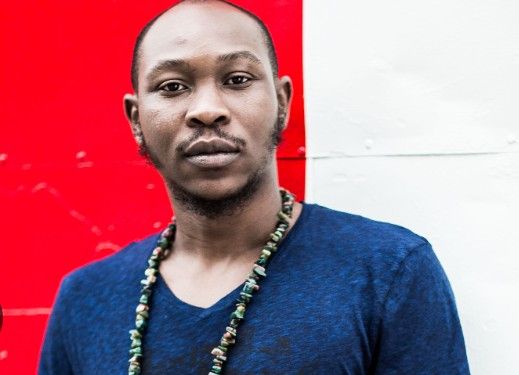
Afrobeat musician Seun Kuti has stirred fresh public discourse after urging the Federal Government to introduce laws regulating pastors who claim to perform miracles, insisting that such assertions should be subject to scientific scrutiny.
In a video shared online, Kuti argued that claims of supernatural healing and extraordinary feats by some religious leaders should not go unverified, especially when they involve matters of health and human wellbeing. He proposed that medical institutions, including the Lagos University Teaching Hospital, should play a central role in evaluating such claims.
According to him, any pastor who asserts the ability to perform miracles—particularly healings—should be required to demonstrate these abilities under controlled conditions and in the presence of qualified medical professionals.
He emphasized that such demonstrations should be consistent and replicable, rather than one-off testimonies.
Kuti cited extreme examples to illustrate his point, suggesting that claims like restoring sight to individuals without eyeballs should be verifiable under strict medical supervision. Without such validation, he argued, the public remains vulnerable to deception and exploitation.
His remarks have ignited mixed reactions across social media and public forums. Supporters of his position say it is a necessary call for accountability, especially in a society where religious influence is strong and miracle claims can impact personal decisions, including health choices.
Critics, however, view the proposal as controversial, arguing that matters of faith and spirituality are deeply personal and may not be easily subjected to scientific methods or government regulation. Some religious leaders have also cautioned against what they perceive as potential interference in freedom of worship.
Nigeria is home to a vibrant religious landscape, with many churches and ministries reporting testimonies of healing and divine intervention. However, debates over the authenticity of such claims have persisted for years, occasionally drawing attention from medical professionals, legal experts, and public commentators.
Kuti’s intervention adds a new dimension to the conversation by directly calling for legislative action. Analysts note that implementing such regulations would raise complex legal and ethical questions, including how to balance consumer protection with constitutional rights to religious freedom.
For now, the government has not officially responded to the proposal. However, the conversation it has triggered reflects broader concerns about accountability, belief systems, and the role of institutions in safeguarding public trust.
As reactions continue to pour in, Kuti’s stance underscores the enduring tension between faith and science—two powerful forces that shape public life in Nigeria.