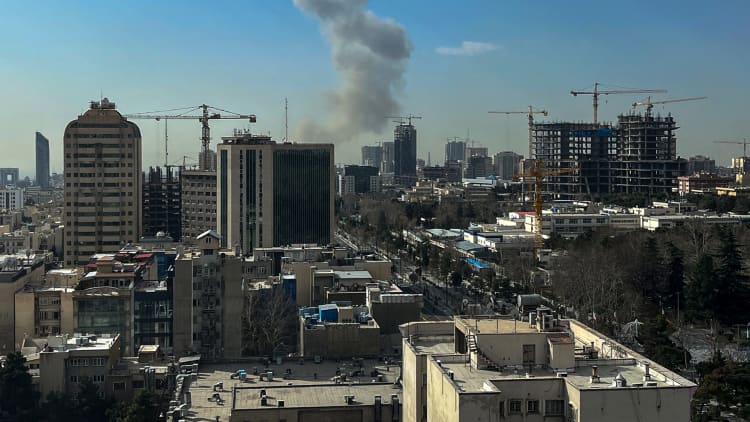
The intensifying conflict between the U.S. (alongside Israel) and Iran has placed Nigeria in a delicate diplomatic and economic position. Following coordinated military strikes in late February 2024, Nigeria has adopted a stance of pragmatic neutrality, balancing its security ties with the U.S. against its domestic sensitivities and energy interests.
Nigeria has refrained from taking a side in the conflict, instead positioning itself as an advocate for international law and restraint.
Nigeria relies heavily on U.S. intelligence and military equipment for counter-terrorism efforts in the North. Openly opposing the U.S. could jeopardize these critical partnerships.
Nigeria has the largest Shia Muslim population in Africa. Following the escalation and leadership changes in Iran, Nigeria has seen internal protests. A neutral stance helps prevent domestic religious tensions from boiling over.
Historically, Nigeria adheres to a policy of non-alignment, recently reaffirmed by the Ministry of Foreign Affairs through calls for “de-escalation” and “diplomatic dialogue” to protect global stability.
The conflict has created a “paradox of plenty”—while the price of crude oil (Nigeria’s main export) has surged, the domestic economy is facing severe strain.
Geographically, Nigeria has a unique advantage. Unlike Gulf producers, Nigeria’s oil exports are located in the Atlantic Basin. With Iran’s shutdown of the Strait of Hormuz (which handles 20% of global oil), Nigeria has emerged as a vital “alternative supplier” for Western markets.
The Dangote Refinery is now a central pillar of this strategy. While it still faces high costs for crude, its ability to refine locally is being tested as the primary shield against global supply chain disruptions.
For Nigeria, the U.S.-Iran conflict is a “double-edged sword.” It offers a massive revenue boost that could fix the national deficit, but only if the government can manage the resulting cost-of-living crisis and domestic unrest triggered by skyrocketing fuel prices.