The Nigerian Communications Commission (NCC) has reaffirmed its commitment to advancing sustainability in Nigeria’s telecommunications sector through policies that encourage renewable energy adoption, energy‑efficient infrastructure and responsible electronic waste management.
This position was highlighted in a keynote address delivered at the Green Conference on behalf of the Executive Vice Chairman of the Commission, Aminu Maida.
Represented by the Commission’s Head of Projects, Mr Shuaibu Swade, the NCC leadership noted that telecommunications now sit at the critical intersection of connectivity and environmental sustainability.
“As a telecommunications regulator, we stand at the intersection of connectivity and sustainability. Telecommunications is the backbone of the digital economy — but it must also become a backbone of environmental responsibility.”
The Commission noted that the expansion of digital infrastructure across Nigeria presents both an opportunity and a responsibility for the sector to reduce carbon emissions.
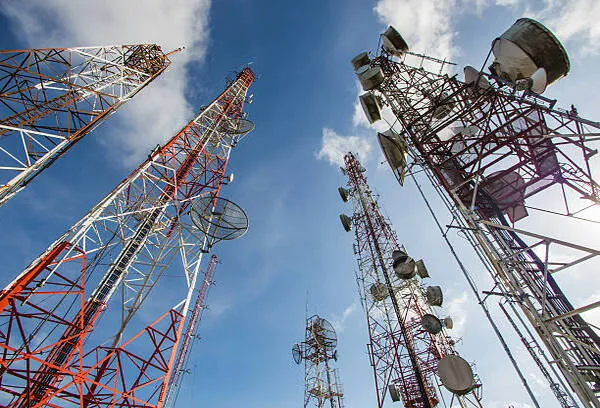
According to the NCC, telecom operators are increasingly adopting energy‑efficient technologies and renewable‑powered base stations as part of the industry’s transition towards greener infrastructure.
The regulator also highlighted ongoing initiatives aimed at promoting infrastructure sharing among operators, encouraging renewable energy solutions for telecom towers and improving responsible management of electronic waste generated by digital equipment.
In addition, the NCC is strengthening Environmental, Social and Governance (ESG) reporting standards across the telecommunications ecosystem to improve transparency and accountability on sustainability practices.
Industry stakeholders at the conference observed that green telecommunications networks are not only environmentally responsible but also economically beneficial, as they reduce operational costs, improve network resilience and expand connectivity to underserved communities.
The Commission emphasised that digital technologies themselves help reduce emissions by enabling remote work, digital services and smart solutions that reduce the need for travel and other carbon‑intensive activities.
“The future of connectivity must be green,” the message concluded. “And the time to act is now.”