By Oluwatomisin Tolulope Adekoya
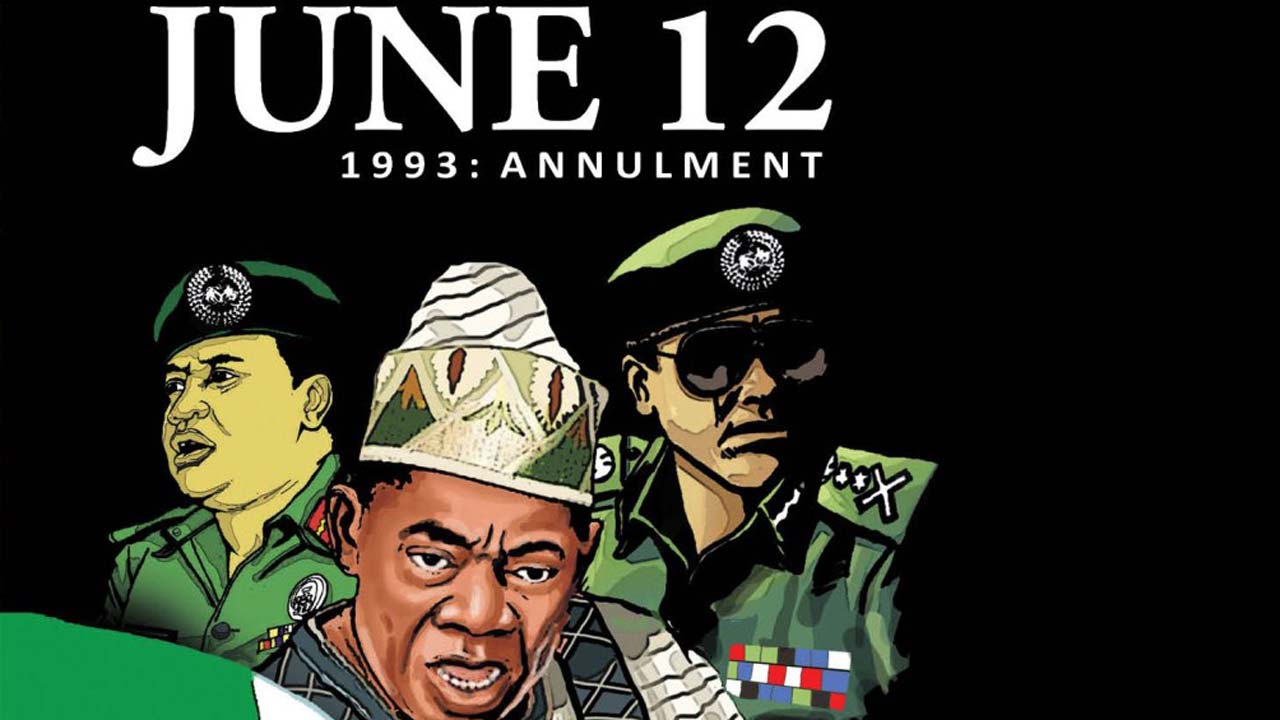
The annulment of the June 12, 1993 presidential election remains one of the most defining and controversial moments in Nigeria’s political history.
Before the political crisis that followed, former military ruler Ibrahim Babangida and businessman-turned-politician Moshood Kashimawo Olawale Abiola were widely known to have moved within the same influential social and political circles.
Abiola, one of Nigeria’s most prominent businessmen and philanthropists at the time, contested the presidency under the Social Democratic Party (SDP). The election held on June 12, 1993 and was widely regarded by observers as one of the freest and fairest elections ever conducted in the country.
A Historic Election
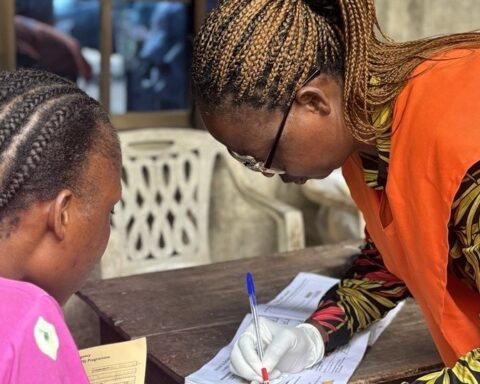
The poll was notable for its broad national appeal. Nigerians voted across ethnic, regional, and religious lines, with many describing the exercise as a moment of unity and hope for democratic transition after years of military rule.
Early results from several states showed Abiola leading convincingly nationwide, suggesting a decisive victory.
Annulment and National Crisis
However, before the final results could be formally declared, the military government led by Babangida annulled the election, citing legal and administrative concerns.
The decision sparked widespread protests and political unrest across the country, with civil society groups, pro-democracy activists, and political leaders condemning the annulment.
The controversy surrounding the decision eventually led Babangida to step aside from power in August 1993, paving the way for an interim national government.
Abiola’s Struggle and Detention
In 1994, Abiola declared himself the rightful president based on the mandate he claimed Nigerians had given him during the election. His declaration led to his arrest under the regime of military ruler Sani Abacha.
Enduring Legacy
The events surrounding June 12 have continued to shape Nigeria’s democratic discourse. In recognition of the significance of the election, the federal government in 2018 officially declared June 12 as Nigeria’s Democracy Day and posthumously honored Abiola for his role in the country’s democratic struggle.
More than three decades later, the annulment of the 1993 election remains a powerful symbol in Nigeria’s political history — a reminder of both the country’s democratic aspirations and the challenges that have accompanied its journey toward stable governance.