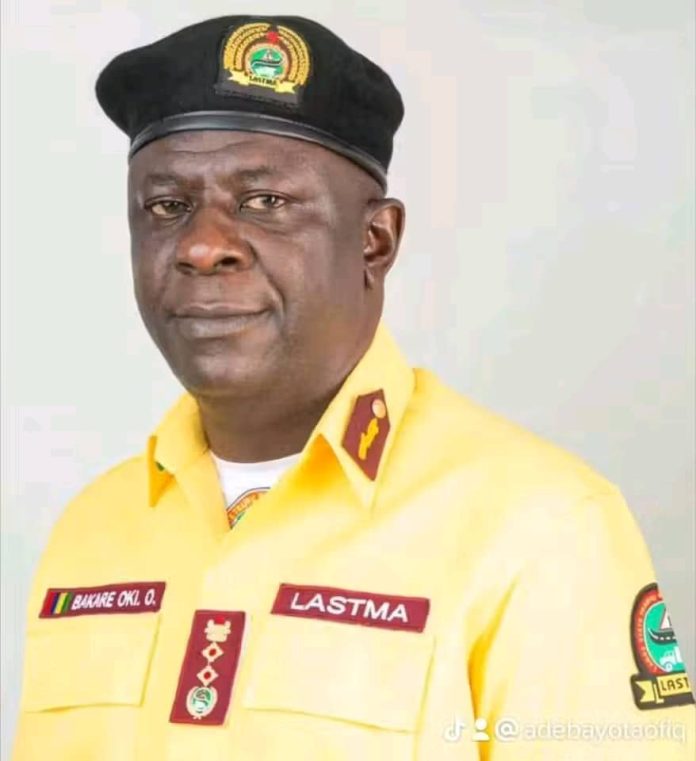
The General Manager of the Lagos State Traffic Management Authority (LASTMA), Olalekan Bakare-Oki, has stated that the strategic deployment of advanced digital technologies has significantly transformed the agency’s emergency response operations, enhancing the safety of lives on Lagos roads.
Speaking during a weekend operational review, Bakare-Oki explained that the integration of cutting-edge tools—including surveillance drones, Traffic Management System (TMS) cameras, GPS-enabled patrol vehicles, intelligent communication systems, body cameras, toll-free hotlines, automated incident-detection platforms, and a centralized command-and-control centre has marked a major milestone in LASTMA’s operational evolution.
According to him, the adoption of these technologies has eliminated previous challenges such as delayed incident reporting and logistical constraints. Traffic incidents are now detected in real time, verified through digital feeds, and swiftly communicated to the nearest response units, significantly reducing intervention time and improving coordination.
“Our commitment to technological modernization is driven by the need to protect lives,” Bakare-Oki said. “Every second saved in emergency response is critical. These intelligent systems have equipped our personnel to respond with greater speed, accuracy, and professionalism.”
He added that LASTMA’s Rescue Team, Monitoring and Surveillance Unit, as well as zonal and operational commanders, are now equipped with mobile data terminals and integrated communication tools linked directly to the central command centre.
This enables rapid traffic rerouting, efficient collaboration with medical and security agencies, and quick clearance of accident scenes to prevent secondary incidents and prolonged gridlock.
The General Manager also highlighted the role of predictive data analytics in strengthening proactive traffic management. By identifying congestion patterns, high-risk routes, and accident-prone areas, LASTMA can strategically deploy personnel ahead of peak periods, preventing incidents before they escalate.
Bakare-Oki noted that the Lagos State Government’s investment in digital infrastructure aligns with its broader vision of building a smart, resilient, and globally competitive megacity.
He described the initiative as a reflection of the administration’s commitment to public safety, institutional efficiency, and infrastructure development.
Beyond improving emergency response, the digital transformation has enhanced transparency, accurate documentation, and data-driven policymaking. Digital reporting systems now provide detailed records of incidents, supporting continuous operational improvements.
Reaffirming LASTMA’s core mandate, Bakare-Oki emphasized that efficient traffic management and the protection of human lives remain paramount.
He added that faster emergency interventions not only reduce casualties but also strengthen public trust in government institutions.
“As we build on these gains, we remain committed to investing in technology, capacity building, and inter-agency collaboration to ensure safer and more efficient road networks across Lagos,” he said.
The agency assured motorists and residents of its continued dedication to safeguarding commuters and maintaining seamless urban mobility, urging road users to comply with traffic regulations and support ongoing modernization efforts.