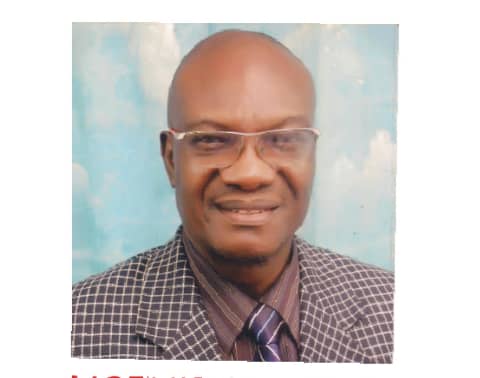
By Ladi Ayodeji
The election season is here again. The Independent National Electoral Commission, INEC, has officially released the timetable for the 2027 General Elections. February 20, 2027 is the day Nigerians will elect the next President and members of the National Assembly. On March 6, the process will conclude with the election of Governors and members of the State Houses of Assembly. In Nigeria, election seasons never truly end. Since the conclusion of the 2023 general election and the controversial litigations that followed, the political atmosphere has remained heated.
The polity has been dominated by relentless media exchanges involving aggrieved politicians, social media activists, and influencers on both sides of the political divide. The noise has been constant and often exhausting. Sadly, the arguments have rarely focused on policy direction or alternative programmes for national development. They have revolved instead around grievances. Many of the loudest voices belong to politicians whose ambitions were frustrated or whose expectations of appointments were unmet.
Public discourse has not been driven by serious debate about governance or the dividends of democracy. Both opposition leaders and ruling politicians continue to struggle for relevance, domination of party structures, and early positioning for 2027. Personal interest appears to take precedence over thoughtful agenda setting and practical solutions to improve the quality of governance. The political culture being promoted relegates development to the background.
Political power is treated as the most reliable route to economic prosperity for political actors. Service to the public is often secondary to access to influence and resources. This mindset shapes much of the maneuvering already taking place ahead of the next general election. The struggles of politicians are centered on how to secure advantage, gain strategic appointments, and control key offices. These are the forces at play as the gladiators prepare for battle in the run up to 2027.
Public attention is frequently diverted to dramatic confrontations that generate headlines but contribute little to institutional reform. The recent noisy debate and street protests in Abuja over the wording of a section of the Electoral Reform Bill illustrate this pattern. The controversy surrounding the two tier system of announcing results has been presented as if it were the ultimate safeguard against electoral malpractice. The process of collation at polling units and the immediate electronic transmission of results in real time are important administrative measures.
However, they do not guarantee immunity from rigging, as some commentators suggest. Electoral malpractice in Nigeria has many dimensions. Vote buying remains widespread and brazen. Underage voting persists in some areas. Illegal thumb printing and multiple voting have not disappeared. Manipulation can occur before, during, and after polling. These practices undermine the credibility of elections regardless of how results are transmitted. It is also disingenuous to pretend that malpractice is the exclusive preserve of any one political party.
Across the spectrum, political actors have been implicated in anti democratic practices at different times. INEC, election observers, the media, civil society organizations, legislators, and other stakeholders must therefore broaden their focus. Technological improvements are necessary but not sufficient. The real issues are deeper and more structural. Without confronting them, procedural reforms will have limited impact. One such issue is the persistent lack of internal democracy within most political parties.
Candidate selection processes are often opaque and heavily influenced by powerful individuals. Godfatherism continues to shape outcomes, limiting genuine competition and accountability. When internal party processes are compromised, the quality of candidates presented to voters is affected. The crisis within the electoral system often begins long before voters arrive at polling units. Another central problem is the high cost of politics. The exorbitant prices of nomination forms discourage capable citizens who lack financial backing.
Campaigning is expensive, and maintaining party structures requires substantial resources. These costs encourage transactional politics and make public office appear as an investment to be recouped rather than a responsibility to be discharged. As long as politics remains financially prohibitive, access will be restricted and incentives will remain distorted. There is also the matter of funding for electoral administration. Inadequate funding by the federal government and the frequent late release of funds to INEC are serious concerns.
Elections require detailed planning, logistics, training, and deployment of personnel across a vast country. When funds are not available as at when due, the process comes under strain. Quality service cannot be delivered efficiently, and the credibility of the entire exercise may be compromised. Delays and logistical failures often trigger disputes that escalate into broader political crises. If public discourse continues to centre on personalities, partisan skirmishes, and narrow procedural controversies, the nation risks repeating familiar cycles.
Electoral reform should not be reduced to symbolic battles over wording while fundamental challenges remain unaddressed. The focus must shift toward strengthening institutions, enforcing existing laws, reducing the cost of politics, and promoting genuine internal democracy within parties. Nigeria does not suffer from a shortage of political activity. It suffers from a shortage of sustained commitment to institutional development and principled governance.
As preparations for 2027 gather momentum, it is necessary to move beyond noise and confront the underlying issues that weaken the system. Otherwise, the next election cycle may once again generate sound and fury while leaving the core problems largely untouched.
Ladi Ayodeji, marriage counselor, author, media expert and philosopher, can be reached on 09059243004, WhatsApp only.