The Nigerian Communications Commission (NCC) has invited industry stakeholders and the public to a virtual inquiry on proposed regulations guiding the use of radio spectrum between 2025 and 2030.
The inquiry focuses on three draft frameworks, including Nigeria’s Spectrum Roadmap for 2025–2030, the use of the 60GHz band for multi-gigabit wireless systems, and the lower part of the 6GHz band for Wi-Fi 6 services.
The public inquiry is scheduled to hold virtually from January 19 to 20, 2026, according to a notice issued by the Commission on January 14, 2026.
Why this matters
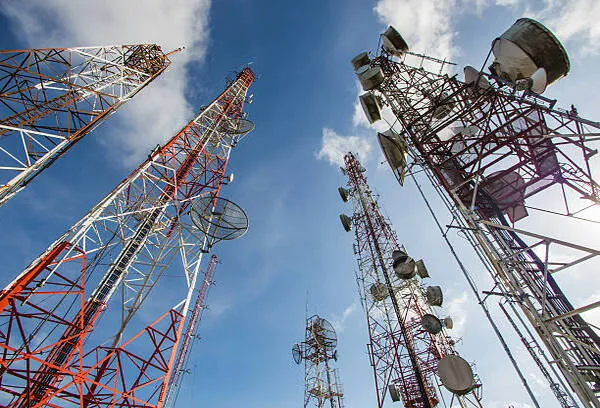
Radio spectrum is the backbone of mobile networks, broadband internet and wireless technologies.
How it is allocated determines the quality of internet access, speed of connectivity and the cost of digital services used daily by millions of Nigerians.
The NCC says the draft frameworks are aimed at preparing Nigeria’s communications sector for rising data demand, smart technologies and emerging digital services.
What the NCC is proposing
In the public notice, the Commission explained that it is acting under the Nigerian Communications Act 2003 (NCA 2003).
“The Nigerian Communications Commission, in exercise of its functions under the Nigerian Communications Act 2003, published the following draft regulatory frameworks and sought comments from stakeholders,” the notice stated.
The documents open for discussion include:
Spectrum Roadmap 2025–2030
Guidelines on the use of the 60GHz band for Multi-Gigabit Wireless Systems
Guidelines on the use of the lower part of the 6GHz band for Wi-Fi 6 in Nigeria
What Wi-Fi 6 and 60GHz mean for users
Technology experts say opening the 6GHz band could significantly improve indoor internet speeds, reduce network congestion and support high-capacity applications such as video streaming, gaming and remote work.
The 60GHz spectrum, meanwhile, is designed for ultra-fast, short-range wireless connections and could support enterprise networks, smart cities and industrial automation.
A telecom analyst, speaking broadly on spectrum policy trends, said inclusive consultations help regulators “balance innovation, competition and consumer protection in fast-moving digital markets.”
Industry and public participation
By law, the NCC is required to consult stakeholders before finalising major regulatory changes.
According to the notice, the public inquiry is being held in line with Section 58 of the NCA 2003, which mandates transparent engagement on regulatory decisions.
Industry players, consumer groups, technology firms and civil society organisations are expected to submit views that could shape the final policies.
What happens next
Feedback from the public inquiry will inform the Commission’s final decisions on spectrum allocation and usage rules.
Once adopted, the frameworks are expected to guide Nigeria’s telecom investments, broadband rollout and wireless innovation for the rest of the decade.
The notice was signed by Nnenna Ukoha, Head of the Public Affairs Department at the Nigerian Communications Commission.