By Emmanuel Oloniruha
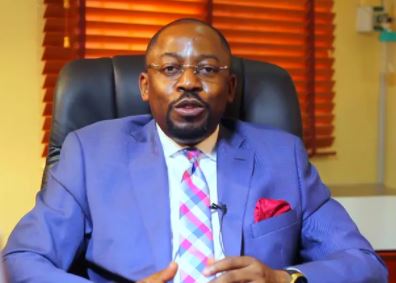
A Nigerian-American Regenerative Medicine Expert, Dr David Ikudayisi, has urged Nigerians living with chronic and incurable conditions to explore regenerative medicine as a viable alternative for biological repair.
Ikudayisi, the Medical Director of Glory Wellness and Regenerative Centre, stated this in an interview with newsmen in Abuja on Sunday.
He described regenerative medicine as a transformative field focused on helping the body heal itself by repairing or restoring damaged cells, tissues and organs, rather than merely managing symptoms.
According to the US Board-certified physician, the field utilises the body’s own biological systems—specifically adult stem cells and Platelet-Rich Plasma (PRP)—to restore function to damaged organs.
He said that in current medical practice, doctors mainly use mesenchymal stem cells taken from bone marrow or fat tissue to reduce inflammation and release healing signals, called growth factors.
This, he said, represents a major shift in healthcare from long-term symptom management to actual cellular recovery, stating that the effects are well documented in leading peer-reviewed medical journals.
“Today, regenerative medicine is most commonly used in orthopaedics and sports medicine.
“It helps to manage joint wear, tendon and ligament injuries, and early arthritis by improving tissue quality rather than just reducing pain.
“It is also used in chronic wound care, skin repair and some aspects of pain management.
“In heart disease, stroke and nerve injury, regenerative treatments are still largely in research and clinical trial stages, but results so far are encouraging.
“Looking ahead, the potential is significant. Scientists are developing tissue engineering methods, where cells are grown on supportive structures, called scaffolds, to form new tissue.
“This raises the possibility of lab-grown cartilage, skin, blood vessels and eventually, organs,”. he said.
Ikudayisi further stated that researchers were also studying ways to guide healing at the genetic level, helping cells repair damage more effectively.
The medical expert noted that the treatment was particularly effective for diabetes complications, post-stroke recovery, sexual dysfunction as well as orthopedic issues like arthritis, among others.
“One of the biggest practical benefits is in difficult-to-heal diabetic wounds where improved circulation and tissue repair can make a real difference.
“There is also growing interest in how regenerative approaches can support organs commonly affected by diabetes, such as the kidneys, by improving the local healing environment and reducing ongoing inflammation.
“In arthritis, especially osteoarthritis, the problem is not just pain—it is worn or inflamed joint tissue. Regenerative medicine focuses on improving the health of that tissue.
“By reducing inflammation and encouraging repair, these treatments can help joints move better and feel stronger over time.’’
In the area of stroke recovery, Ikudayisi said that regenerative medicine supports recovery by calming harmful inflammation and encouraging repair signals that help the brain respond better to rehabilitation.
This, according to him, does not replace physiotherapy or standard neurological care, but it can help create a biological environment where rehabilitation has a better chance of working.
He added that while treatments for heart disease and nerve injury were largely in the clinical trial stages, results so far had been highly encouraging.
He disclosed that scientists were developing tissue engineering methods, raising the possibility of lab-grown cartilage and even organs in the future.
The expert said that embracing the technology could significantly reduce outbound medical tourism and strengthen Nigeria’s healthcare infrastructure through cell processing and advanced rehabilitation pathways.
Ikudayisi, however, advised the public to be cautious when seeking advanced treatments, urging them to patronise only reputable centres with “verifiable positive outcomes” to ensure safety and efficacy.
“They should seek out centres with verifiable positive outcomes in the field of regenerative medicine.
“People living with currently difficult-to-treat or previously thought-to-be-untreatable conditions should take time to research on whether regenerative medicine may offer potential solutions.
“They can then reach out to reputable regenerative medicine centres to make enquiries about whether these services may be suitable for their medical conditions.”
To Ikudayisi, Nigerians no longer need to travel abroad for such services, as internationally-aligned standards are now available in Lagos and Abuja.
“Glory Wellness and Regenerative Centre has brought internationally-informed regenerative medicine practice—originally founded in Florida, USA—back home.
“The centres now operate in Lekki, Lagos, and Abuja, making high-quality regenerative care accessible within Nigeria.
“We care for conditions, such as diabetes and its complications, arthritis, stroke recovery and sexual dysfunction by applying one or more regenerative medicine protocols, depending on the individual patient’s needs,’’ he said.