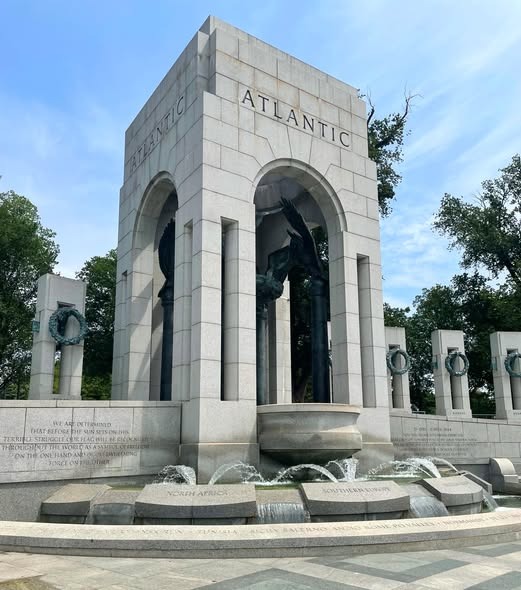
Today marks a profound milestone in global history. On May 8, 1945, the unconditional surrender of Nazi Germany’s armed forces went into effect, bringing a definitive end to the Second World War on the European continent.
As we observe the 81st anniversary, it’s a moment to reflect on the immense cost of the conflict and the enduring legacy of the “Greatest Generation.”
The significance of this day stretches far beyond a date on a calendar. It represents The End of Systematic Oppression, The liberation of concentration camps and the dismantling of the Nazi regime.
A rare moment in history where nations with vastly different ideologies (the Allied Powers) united toward a singular, moral necessity.
The end of the war in Europe catalyzed the creation of the United Nations and the modern framework for international diplomacy.
While V-E Day was a moment of unbridled joy, it was also one of deep mourning. It’s estimated that the war in Europe claimed the lives of roughly 15 million soldiers and 38 million civilians.
The U.S President, Harry S. Truman said in his speech on May 8, 1945 “This is a solemn but glorious hour. I only wish that Franklin D. Roosevelt had lived to witness this day.”
Eighty-one years later, the number of living veterans and survivors who witnessed these events firsthand is dwindling. Commemorations like today serve as a vital bridge, ensuring that the lessons of the 1940s about the fragility of democracy and the necessity of standing against tyranny aren’t lost to time.