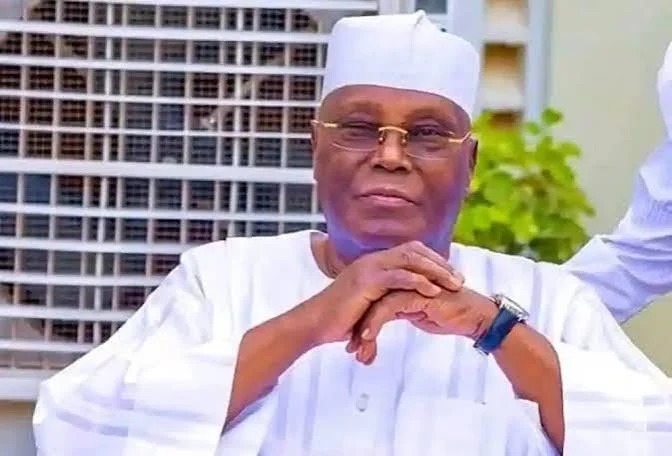
Growing political friction has hit the South-West chapter of the African Democratic Congress (ADC), as regional leaders openly voice dissatisfaction over what they describe as the systematic marginalisation of the party’s local structures by presidential candidate Atiku Abubakar ahead of the 2027 presidential election.
The internal rift erupted following a series of strategic engagements, beginning with a regional caucus session held in Ibadan, Oyo State, which was designed to map out a winning strategy to deliver the South-West for the ADC. The recommendations from that meeting were subsequently taken to a follow-up consultation with Atiku at his campaign office in Abuja on September 17.
Tensions flared after Atiku instructed each state chapter on September 5 to submit five nominees for inclusion in his national presidential campaign committee. However, regional stakeholders allege that key grassroots executives are being sidelined in favor of an exclusive circle of long-time political allies.
Discontent was further heightened after an unnamed party official claimed that state chairmen who traveled to the September 17 meeting in Abuja were denied logistics stipends, leaving several leaders feeling undervalued by the campaign.
A prominent party chieftain in Lagos State warned that bypassing authentic party machinery could severely weaken the candidate’s chances across the geopolitical zone.
Expressing frustration over the state of operations, the leader noted that political activities across the region have ground to a halt because the presidential candidate is engaging personal associates rather than institutional structures.
He emphasized that while Atiku may be attempting to balance competing interests, he must urgently address the exclusion of real party leaders in Lagos and surrounding states to avoid jeopardizing the party’s momentum.
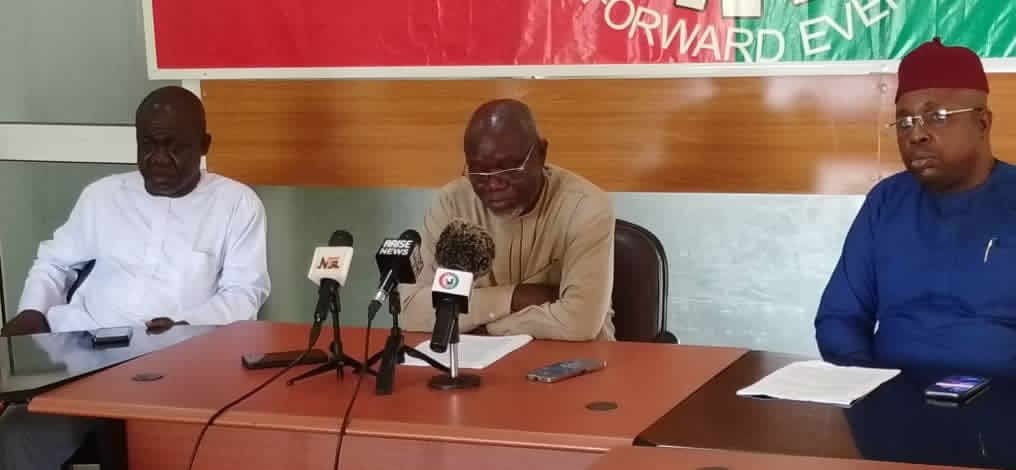
Pushing back against the criticisms, the South-West ADC Chairman, Mr. Omole, dismissed claims of a crisis, maintaining that the dissatisfaction stems from a misunderstanding of how presidential campaign organisations operate.
Omole explained that the initial meeting in Ibadan was convened specifically to formulate a zone-wide electoral roadmap, while the subsequent September 17 gathering in Abuja served to present those strategy documents directly to the candidate.
Addressing the concerns about campaign appointments, Omole defended the candidate’s right to draw on external political networks, arguing that winning a national election requires alliances beyond formal party lines. He noted that members come from various political backgrounds with pre-existing relationships that naturally play a role in national campaigns.
According to Omole, it is standard practice for a campaign council to function as a specialized strategic unit rather than an extension of executive party bodies, adding that state chapters remain self-funded and that no transport allowances were requested or expected during the Abuja visit.
Meanwhile, the Osun State chapter of the ADC moved to dispel separate rumors suggesting a rift between Atiku Abubakar and former Osun State Governor Rauf Aregbesola.
A spokesperson for the Osun chapter urged political analysts and observers not to misinterpret quiet, low-profile political consultations as inactivity or disunity, reassuring supporters that structured engagements are actively progressing ahead of 2027.
Media aides to Atiku Abubakar have similarly rejected allegations of regional neglect, characterizing reports of widespread marginalisation as opposition narrative rather than genuine member grievances, and reaffirming that nationwide consultations across all six geopolitical zones will continue as campaign structures take full shape.