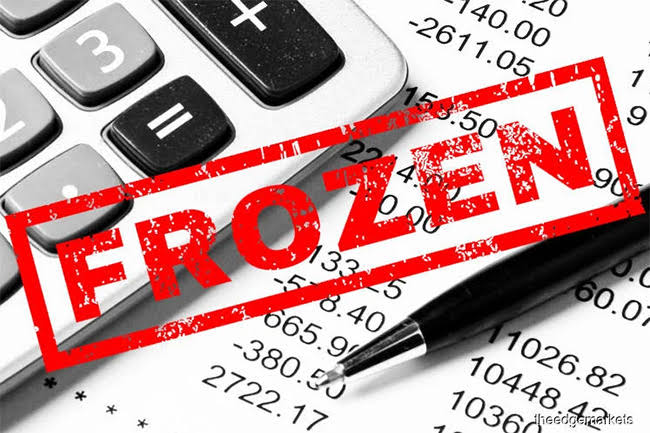
Yes, their accounts were frozen
Here’s how it worked:
1. What the Federal Government did in 1967
When Biafra seceded on May 30, 1967, the Federal Military Government issued directives to all banks in Nigeria:
– Freeze all accounts operated by “Easterners” regardless of where the branch was located.
– This applied to Lagos, Port Harcourt, Kano, Kaduna, Ibadan, etc. Not just Enugu, Onitsha, Aba.
The logic: prevent Biafra from accessing funds to finance the war.
2. Who was affected
Any account holder identified as “Eastern Nigerian” — mainly Igbo, but also Ibibio, Ijaw, Efik, etc. from the old Eastern Region.
Bank managers were told to use names, addresses, and known affiliations to flag accounts.
So a civil servant from Enugu working in Lagos, or a trader with a shop in Kano who banked with Barclays Lagos — that account was frozen too.
3. After the war in 1970
When the £20 policy came, it applied to all those frozen Nigerian bank accounts, wherever the branch was.
To claim the £20, people had to go to any designated bank branch in Nigeria with proof of the pre-1967 account.
4. Exception
Accounts of non-Easterners that were in Southeast branches were not automatically frozen. But once war broke out, most banks in Biafra stopped operating under Nigerian control anyway.
Bottom line:
The freeze was nationwide and based on ethnicity/origin, not just geography. If you were from the Eastern Region, your Nigerian bank account was frozen whether it was in Lagos, Jos, or Enugu.
That’s why many Easterners who lived/worked outside the Southeast also lost access to their savings and had to come back for the £20 after the war.